

- Nonfiction
- Artificial Intelligence
- Silicon Empires: The Fight for the Future of AI
- By Nick Srnicek
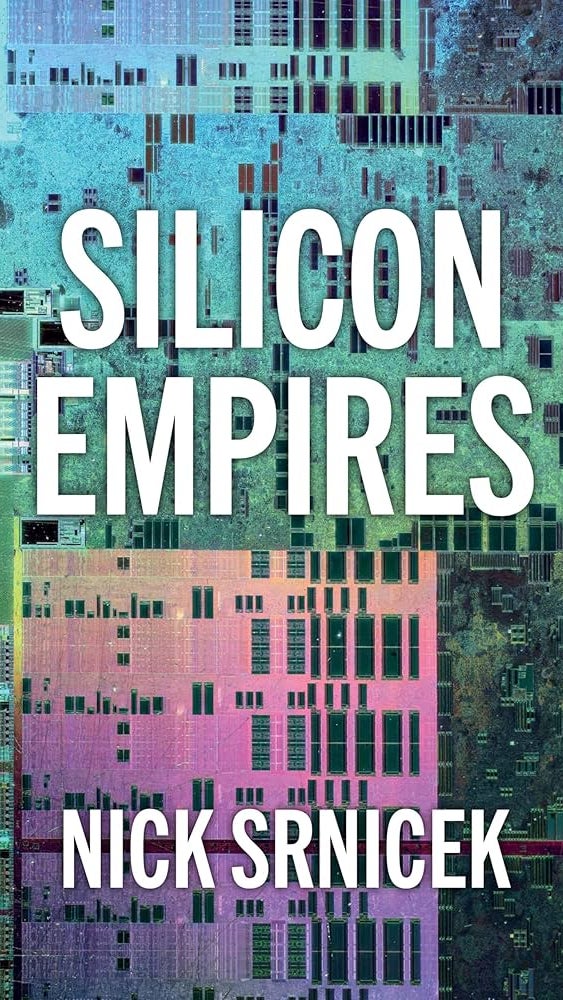
Nick Srnicek details the geopolitical economy of artificial intelligence, and how a handful of big tech companies, and the U.S. and China, are jostling to control its development. Their actions will lead to an increasingly fragmented global economy, he writes.
Read an excerpt from the book.
- Nonfiction
- Artificial Intelligence
- Love Machines: How Artificial Intelligence is Transforming our Relationships
- By James Muldoon
In this book, sociologist James Muldoon explores the impact of AI companions on connection, intimacy, and relationships. For his interviewees, the AI chatbots are friends, partners, therapists, and avatars of the dead.
Read an excerpt from the book.
- Nonfiction
- Social Media
- The Wall Dancers: Searching for Freedom and Connection on the Chinese Internet
- By Yi-Ling Liu
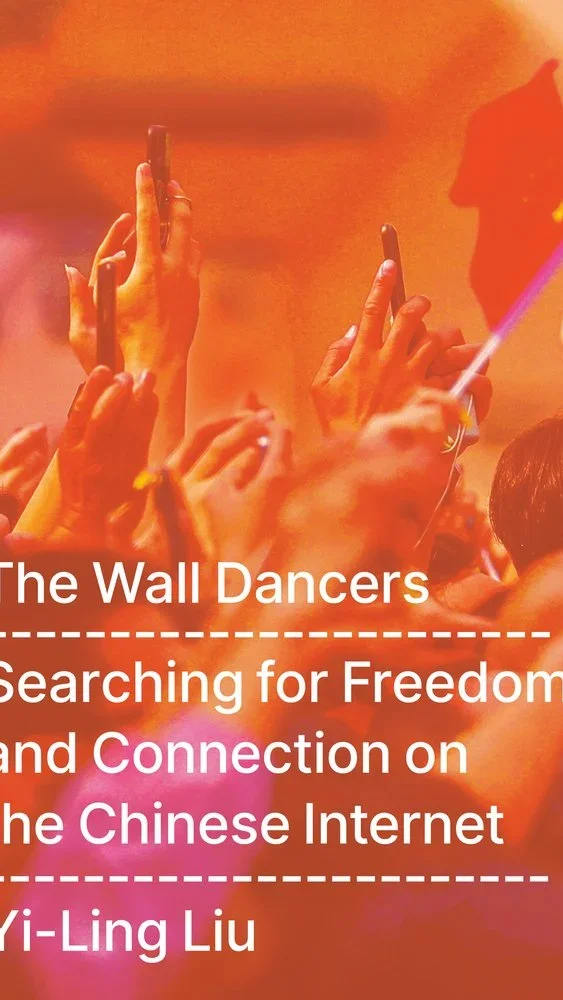
Journalist and writer Yi-Ling Liu profiles Chinese internet users who navigate restricted platforms, dancing carefully between control and freedom behind the Great Firewall. Their stories are a cautionary tale for others dealing with increasing limits.
Read an excerpt from the book.
- Nonfiction
- Big Tech
- Silicon Elsewhere: Nairobi, Global China, and the Promise of Techno-Capital
- By Andrea Pollio
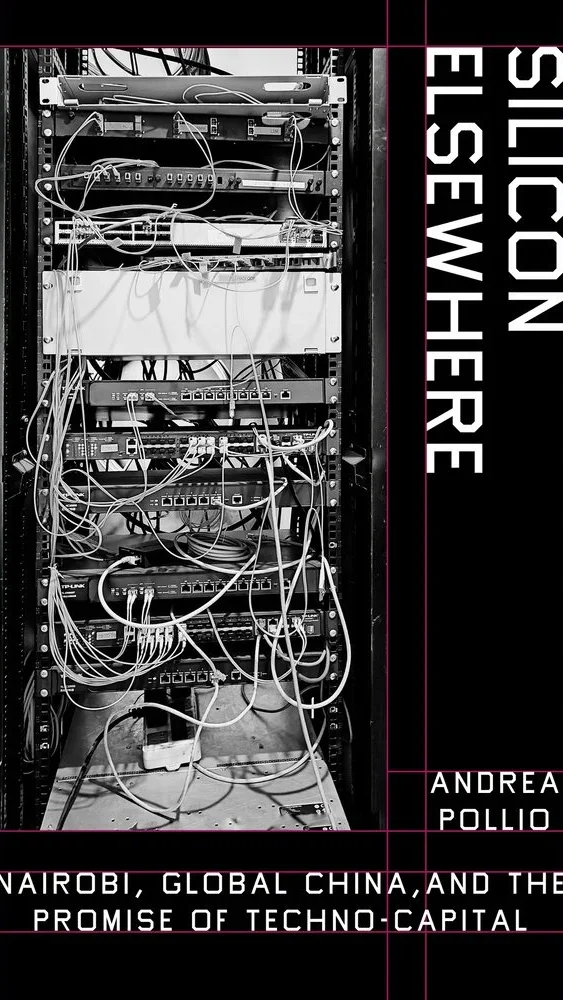
Drawing on interviews with venture capitalists, entrepreneurs, bureaucrats, and others, Andrea Pollio analyzes how Nairobi, the Silicon Savannah, became a landing pad for Chinese tech companies entering Africa, and how that shaped the city.
Read an excerpt from the book.
- Nonfiction
- Big Tech
- Techno-Negative: A Long History of Refusing the Machine
- By Thomas Dekeyser
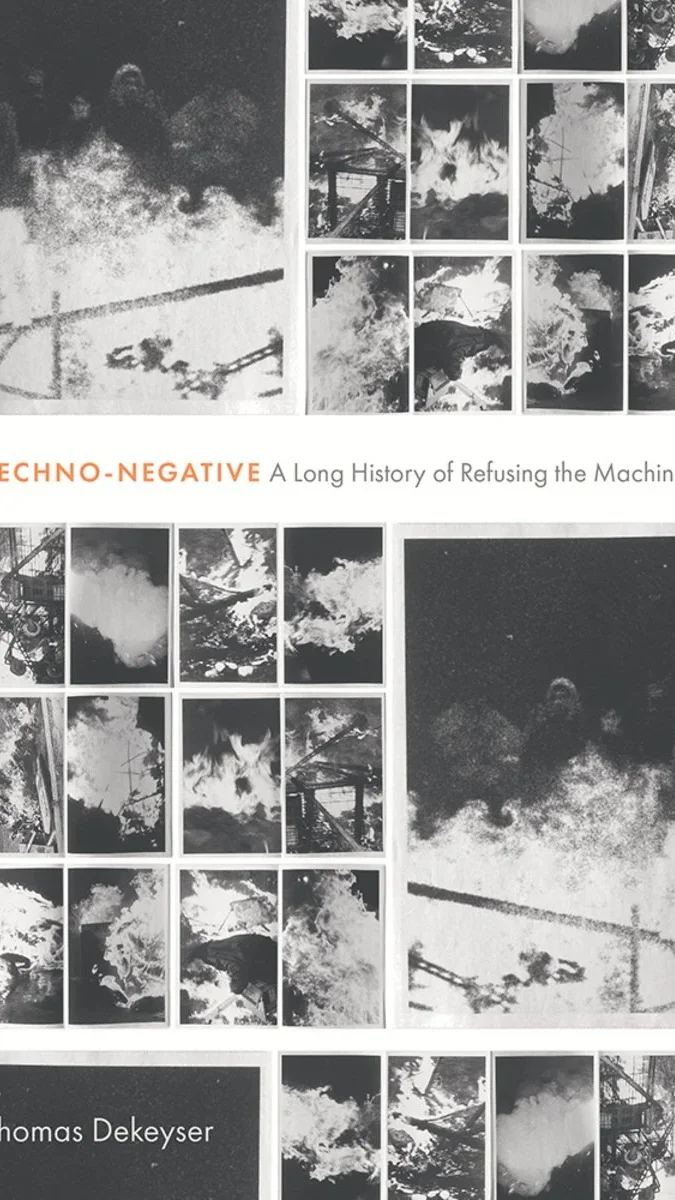
Thomas Dekeyser, a lecturer in human geography at the University of Southampton in the U.K., explores the points at which people rejected new technologies — from medieval monks who banned tools to weavers burning looms in the 17th century. What do these historic revolts say about the current pushback against AI?
Read an interview with Dekeyser.
- Nonfiction
- Big Tech
- The Elements of Power: A Story of War, Technology, and the Dirtiest Supply Chain on Earth
- By Nicolas Niarchos
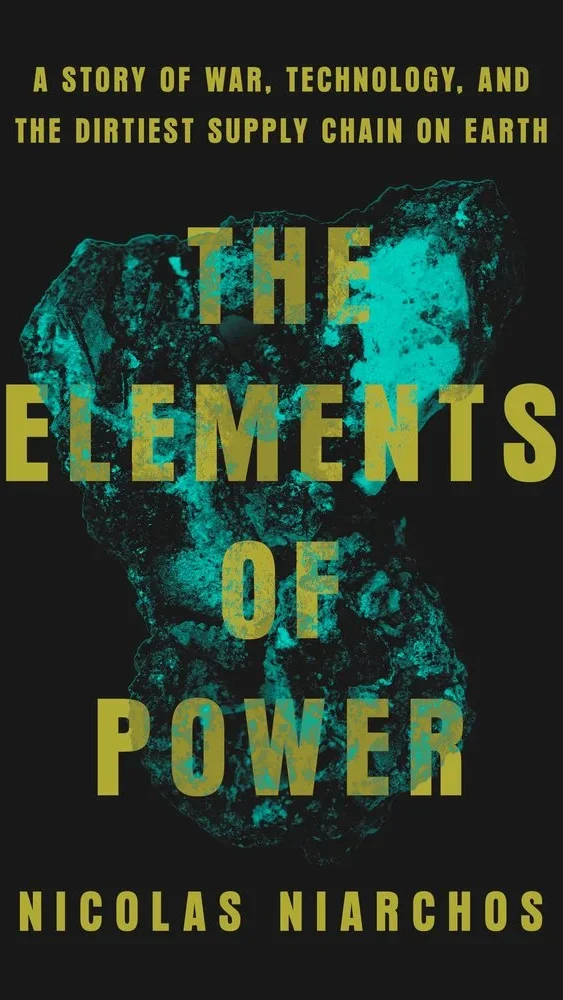
The global supply chain for lithium-ion batteries, which are key to smartphones and electric vehicles, is characterized by appalling conditions for workers, and massive environmental impacts in countries such as Congo, journalist Nicolas Niarchos writes.
Read an excerpt from the book.
- Nonfiction
- History
- Computing in the Age of Decolonization: India’s Lost Technological Revolution
- By Dwaipayan Banerjee
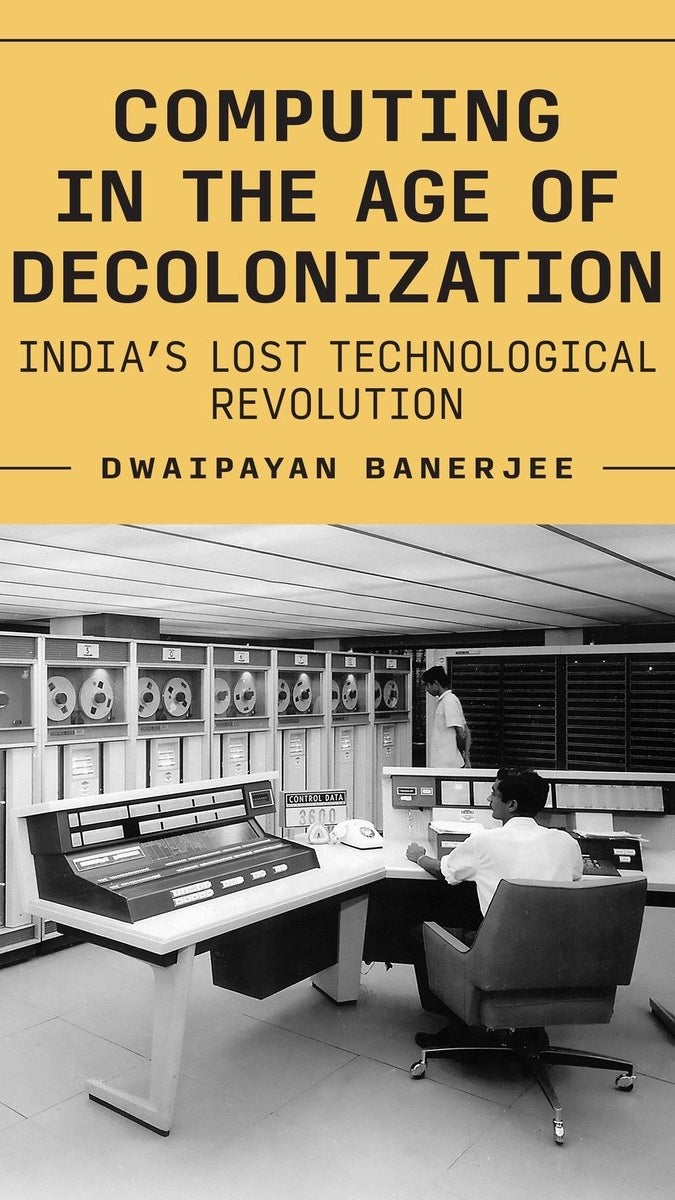
In this book, Dwaipayan Banerjee analyzes India’s failed attempt at building an independent computing industry despite its wealth of talent. That failure has kept the country dependent on big tech firms, and unable to solve fundamental social problems.
Read an excerpt from the book.
- Nonfiction
- Artificial Intelligence
- Defending Taiwan: A Strategy to Prevent War With China
- By Eyck Freymann
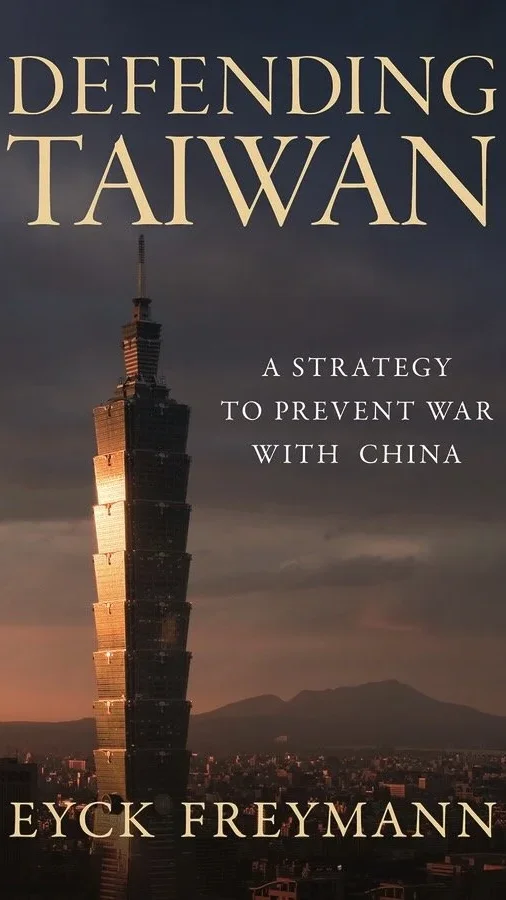
The China-Taiwan dispute is the “most dangerous geopolitical flashpoint,” Eyck Freymann writes. The world’s dependence on chips from TSMC gives China enormous leverage over the U.S., which has no plan to manage the fallout if China disrupts the flow of chips.
Read an interview with Freymann.