
If we gave medals to our favorite phones, the OnePlus 5 (our review here) would have won Gold in the budget flagship category. Too you couldn’t actually but the phone in gold…. Until now. *Ahem* Terrible lede aside, the OnePlus 5 now comes in ‘Soft Gold,’ which is a subtler take on the blingy hue than most other manufacturers. It also comes with a white front, which is a nice change of pace from the complements the Midnight Black and Slate Gray. I normally think gold gadgets look gaudy, but OnePlus’ take is subtle enough to be inoffensive.

For better or worse, a lot has changed in the past ten years. Nowhere is that more true than on the Internet. Taking you back is tenyearsago.io, a website that wants to show you what specific pages looked like on this day, ten years ago. Visiting the White House page transports you back the the twilight years of George W. Bush’s now-halcyon presidency. In the gaming world, the folks at IGN were getting stoked about Call of Duty 4: Modern Warfare and FIFA 08, while Apple wanted us to say hello to the

The act of withdrawing money from an ATM has largely remained the same, ever since Barclays Bank introduced the first “Hole in the wall” in London, way back in 1967. But now it’s about to see a radical update with CashDash — a range of ATMs launching in London where your debit card is your smartphone. To withdraw cash, you first need to download the CashDash app, and top up your virtual wallet with funds. When you get to the ATM, you key in your phone number, and authorize the transaction on your phone. The machine will then spurt out the requested money.

The Huawei Watch was easily one of the most attractive Android Wear watches last generation, so when Huawei unveiled the Watch 2, some users were disappointed the company had pivoted into a more sporty (read:uglier) aesthetic. Mainly, the screen was slightly smaller, and the design wasn’t as clean or minimal. I mean, just take a look at the ‘concrete’ grey-and-yellow design I tested; it’s nice to have some more options – and I’m sure some people will appreciate the new looks – but it’s a far cry from the understated clean lines and thin bezels of the original model.

Huawei announced three laptops and tablet designs last month in an attempt to become an established PC brand. Today the company has confirmed the devices are coming to the US, and all are competitively priced. The devices fit three main categories: The MateBook E is a convertible tablet like last year’s original MateBook, but the cover uses a new hinge that works kind of like a Surface. The MateBook D is a 15.6-inch mainstream laptop. The MateBook X is probably the most interesting of the new hardware; it’s basically a MacBook competitor at a cheaper pricetag.

“All white people are racist. Start from that reference point, or you’ve already failed,” read a Facebook post by Black Lives Matter activist Didi Delgado. The post earned her a temporary ban from the social network. “Racist,” according to Facebook, is a racial slur, and using it to refer to a specific group of people earned Delgado a seven day time out. Another — arguably more inflammatory post — wasn’t deemed to be as offensive. Its creator, US Rep. Clay Higgins, didn’t face the same ban (or worse) after calling for the murder of a specific group of people. Higgins wrote (emphasis ours):

This might be the first time you hear about it, but Samsung has quietly rolled out a special walking app that alerts distracted pedestrians anytime they’re about to bump into a wall or cross at a red light – but nobody is using it. While Walk Mode landed on the Google Play store in mid-May, it appears to have slipped under the radar, accumulating a total of less than 500 installs since launching. According to the information, the software was developed by Samsung’s India-based research and development in the city of Noida.
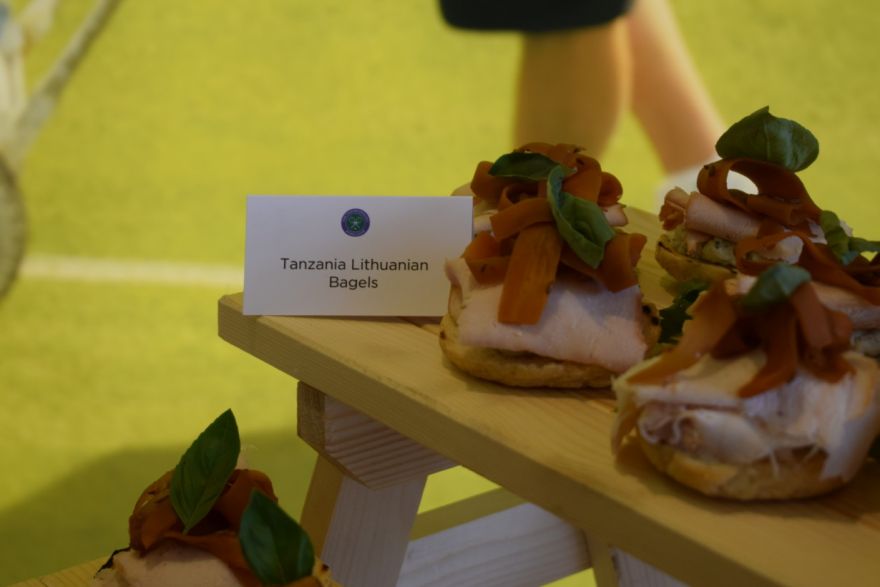
I know this isn’t Instagram, but fuck it. I’m writing an article about what I had for lunch. If you haven’t tuned out already, don’t worry. There’s a payoff. Earlier today, I attended a press event for IBM’s Watson at London’s iconic Wimbledon tennis grounds. Sandwiching the presentations and panels (pun 100-percent intended) was a ‘cognitive breakfast’ and a ‘cognitive lunch.’ Say what? No, this isn’t something I stole from @ProfJeffJarviss‘ Twitter account, although it easily could be. It was actually a menu invisioned by IBM’s Watson cognitive computing platform. The IBM representative explained it a lot better, but essentially Watson has slurped up a bunch of cookbooks and recipes.
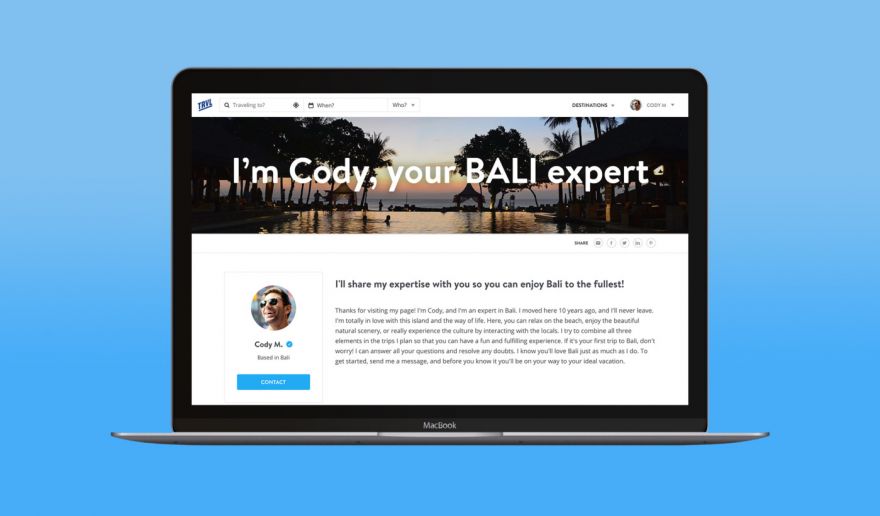
From the moment I saw it, I was instantly enamored with TRVL. The brainchild of Dutch entrepreneur Jochem Wijnands, TRVL is a sort of mashup that turns each user into a travel agent with the potential to earn money for their recommendations. Think of it as TripAdvisor meets Airbnb and Skyscanner. Travelers, Wijnands says, are the best source of information for other travelers. And while the typical tourist spends hours scouring the web for information, TRVL puts all this information at your fingertips by leaving the guesswork to agents. These agents are locals (or highly familiar with a given area) and provide recommendations from the typical tourist sights, to the off-the-beaten path adventures you’d never find without the help of a local.
